




Sustainable Promo Bags: RPET, Organic Cotton and Jute Totes
The differences between RPET, organic cotton, recycled cotton and jute bags, with tips for communicating your sustainability message without exaggeration.

Sustainability is now a core topic in the communication of many brands. Promotional products are a visible part of that communication: when a brand sends an environmental message, the product it hands out is expected to match it. With its reusable structure that can replace single-use bags, a logo-printed bag is a strong tool in this respect. In this article we cover sustainable bag options, the differences between them and ways to deliver your message accurately.
The foundation of a sustainable bag: reuse
One of the most important factors in a bag's environmental value is how long and how often it is used. That is why design and quality matter as much as the material. A sturdy, practical bag that the user likes replaces the need for single-use bags for a long time. Material choice should be built on top of this foundation.
RPET: fabric from recycled PET
RPET is a polyester fabric made by recycling waste such as used PET bottles. It looks and feels like polyester and suits light, thin and foldable models. Using recycled material lets your brand back its message of contributing to waste recovery with a tangible product.
- Suitable scenarios: Grocery and retail shopping, campaign giveaways, foldable spare bags.
- Printing: Screen printing and digital heat transfer; sublimation printing on white or light-colored models.
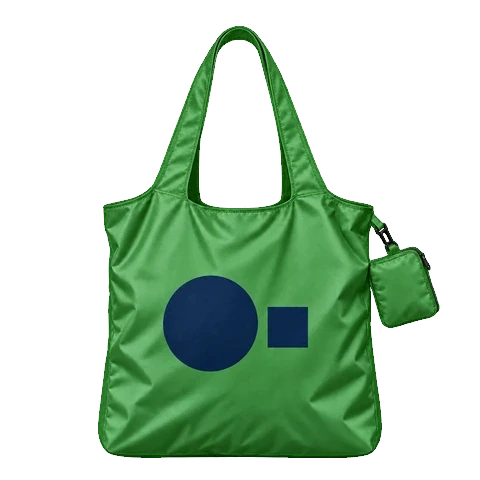
As an example, take a look at our wide-body gusseted RPET shopping bag. Other models are in our polyester and RPET tote bag category.
Organic cotton
Organic cotton is a fabric made from cotton grown with organic farming methods. It offers the natural look and soft texture of natural cotton and canvas. It is an option that fits the brand values of sectors such as natural products, baby and children's products, cosmetics and food. Our product range also includes models made from organic cotton; material information is stated on each product page.
- Suitable scenarios: Corporate gifts, retail packaging, brand stores.
- Printing: Because it is a cotton surface, screen printing, digital heat transfer, DTG printing and, on suitable models, embroidery.
Recycled cotton and blends
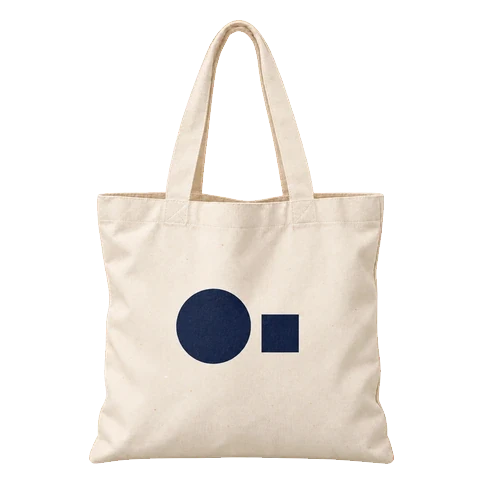
Recycled cotton is obtained by reprocessing textile production scraps. In some models, recycled cotton is blended with polyester. These bags keep the natural look of cotton while also carrying a waste recovery message. As an example, take a look at our 38x42 cm recycled cotton blend tote bag.
Jute: natural plant fiber
Jute is a natural fiber obtained from the stem of a plant. Its thick, pronounced texture gives the bag a rustic, natural character. It is one of the visually strongest materials for brands that emphasize naturalness. Because its body is sturdy, it can be used for a long time as a shopping bag and gift packaging.
- Suitable scenarios: Food and agricultural products, regional products, gift sets, natural cosmetics.
- Printing: Screen printing and digital heat transfer; plain, bold-lined logos because of the pronounced texture.
For options, see our jute tote bag category.
Where does non-woven stand?
Non-woven is a fabric made from polypropylene. It offers a reusable alternative to single-use plastic bags and is economical at high-volume giveaways. However, it is not a recycled or natural material; we recommend keeping this distinction clear in your sustainability communication.
Communicate your message accurately
The most important principle in sustainability communication is accuracy. Exaggerated or unverifiable claims can damage the credibility of even a well-intentioned campaign. On the bag and in your communication materials:
- Name the material clearly and accurately: use concrete statements such as "made from recycled PET".
- Do not refer to certificates or labels you do not hold.
- Avoid claims of environmental impact that cannot be measured.
- Add a message that encourages reuse; this highlights the bag's main environmental value.
Simplicity in design and print
On sustainable bags, plain and timeless designs are used for longer. Putting your logo and a lasting message up front, instead of short-lived information such as event dates or campaign codes, supports using the bag for years. Using few colors in print increases both visual simplicity and production efficiency.
Which material suits you?
- Recycling message: RPET or recycled cotton.
- Naturalness message: Jute, organic cotton or natural cotton.
- Foldable bag you can take anywhere: RPET.
- Premium gift: Organic cotton or thick canvas.
Sustainability is not limited to the material
An environmentally conscious promotional project goes beyond material choice. A few decisions in planning also determine the project's overall impact:
- The right quantity: Bags produced beyond need and left in storage are wasted resources even if made from the most sustainable material. Calculate quantity with realistic data.
- Practical design: A size and handle type that are useful in daily life get the bag used more often.
- Simple print: A few-color, timeless design supports the bag staying in use after the campaign is over.
- Consolidated shipping: Combining orders reduces the number of separate shipments.
Recommendations by sector
Food and agriculture
Jute and natural cotton emphasize the naturalness of the product. They can also be used as gift packaging for products such as olive oil, coffee, honey and dry goods.
Retail and grocery
RPET and foldable models make it easy for customers to always carry a bag with them and reduce the need for single-use bags.
Corporate and technology companies
Canvas models made from organic cotton or recycled cotton combine a quality perception with a sustainability message in employee and customer gifts.
Education and nonprofits
Natural cotton and recycled cotton blend bags deliver a sustainable message at an accessible cost in events and campaigns.
Frequently asked questions
Is there a visual difference between an RPET bag and a polyester bag?
They are very close in look and feel. The main difference is that RPET is made from recycled PET. Print options are similar as well.
Can any logo be printed on a jute bag?
Because the jute texture is pronounced, plain, bold-lined and few-color logos give the best result. Very fine lettering and small details can lose sharpness in the texture; for such designs we recommend using a simplified version of the logo.
Can an organic cotton bag be embroidered?
It depends on the fabric thickness. Embroidery works well on full-weight models; on thin models, only small logos are recommended. The methods that can be applied are stated on each product page.
Think about the bag's life cycle
When choosing a sustainable bag, consider not only its production but also its use. How often the user will use the bag, where they will keep it and which needs it will meet determine the bag's real value. A foldable RPET bag can be carried in a bag or pocket and used on every shopping trip; a full-bodied organic cotton bag can stay in daily use for many years. Choosing the model that fits your target audience's habits is the most concrete proof of your sustainability message.
Conclusion
A sustainable promotional bag is the combination of the right material, practical design and honest communication. You can find all the options together in our eco and sustainable bag collection. Share your campaign goal and quantity with us; we will choose the material that fits your brand together and prepare a same-day quote.
Tote bags made for your brand
Choose the model, color and your logo; get a same-day quote.