




Cotton, Canvas, Jute, Non-Woven: Tote Bag Material Comparison
We compare the texture, durability and print compatibility of cotton, canvas, jute, non-woven, polyester and RPET bags, and explain which one suits which job.

The question we hear most often when ordering logo-printed bags is which material to choose. There is no single answer; every material has a use case where it is strongest, print methods it suits and a brand impression it leaves. In this article we put the most commonly used promotional bag materials side by side and explain which stands out in which scenario.
Natural cotton: natural and versatile
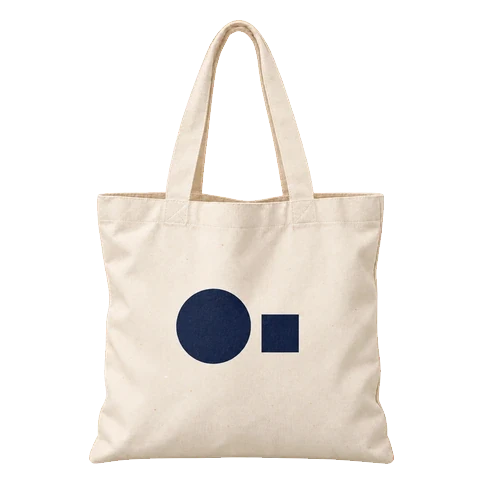
Natural (unbleached) cotton is a fabric woven from unbleached cotton yarn, with a natural cream tone. With its soft texture and plain look, it is the most common choice in both retail and corporate use. Because the cotton surface takes print well, it offers a wide range of options for logo application.
- Strengths: Natural look, soft hand, print-friendly surface.
- Watch out for: Lightweight models are suited to everyday use, not heavy loads.
- Suitable printing: Screen printing, digital heat transfer and DTG printing; embroidery on thicker models.
You can see different size and handle options in our natural cotton tote bag category. As a classic example, take a look at our 38x42 cm long-handled natural cotton tote bag.
Canvas: full-bodied, upright and premium
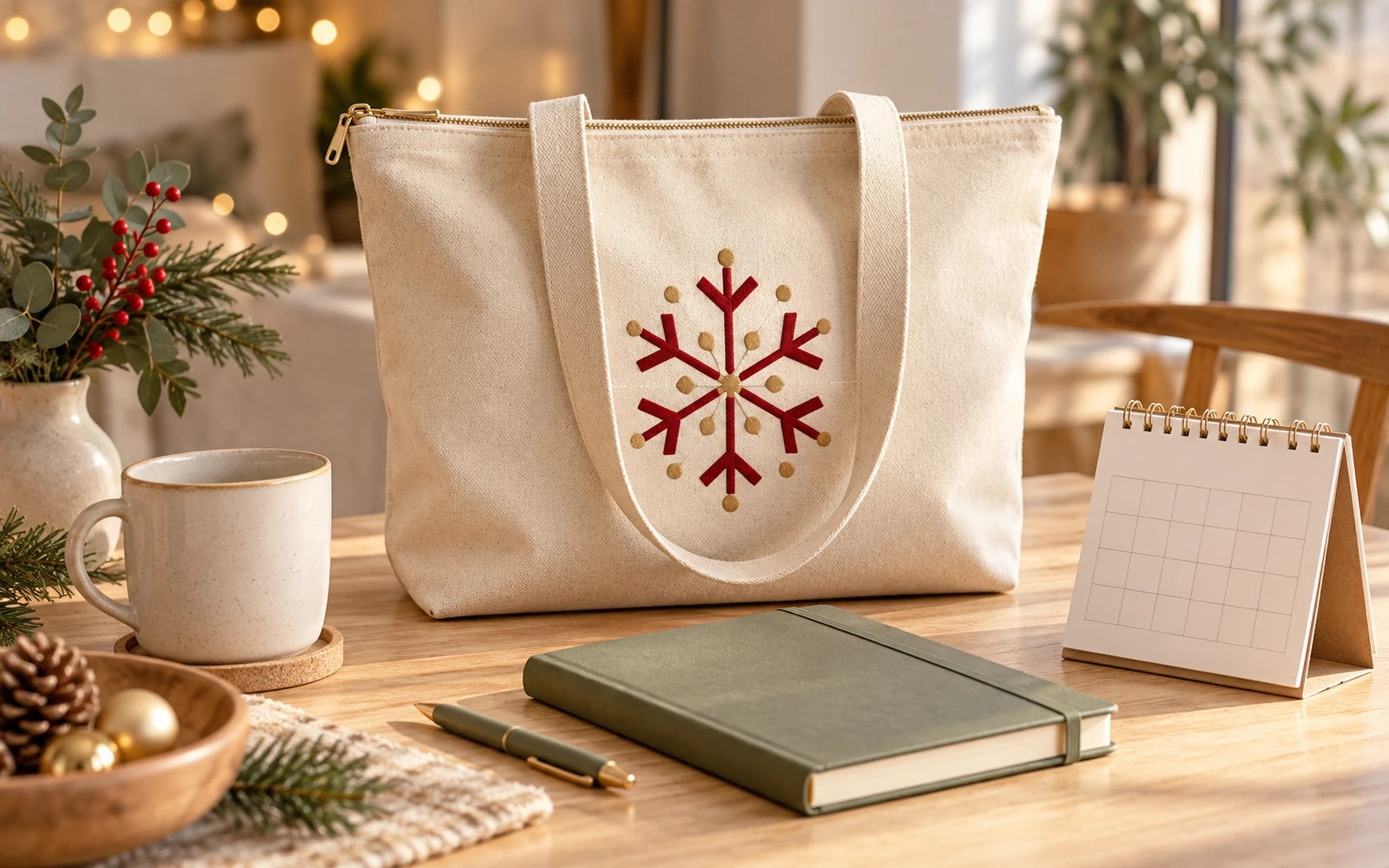
Canvas is a more tightly and thickly woven cotton fabric. Because of its high fabric weight, the bag stands upright, keeps its shape and feels high quality to the touch. That is why it is often used for employee gifts, dealer meetings and corporate kits.
- Strengths: Sturdy body, long-lasting use, premium look.
- Watch out for: It is heavier than natural cotton and can raise costs on very high-volume, fast giveaways.
- Suitable printing: Screen printing, digital heat transfer, DTG printing and especially embroidery.
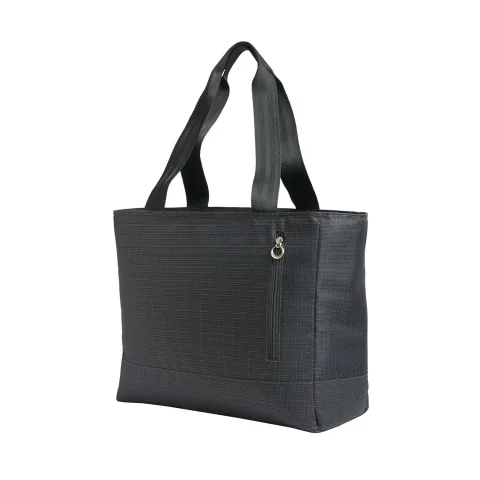
For options with pockets, zippers and padded handles, see our canvas tote bag models.
Jute: natural fiber, strong character
Jute is a natural fiber obtained from a plant stem. Its thick, pronounced texture gives the bag a rustic character. It strengthens the brand story in sectors such as food, olive oil, coffee, agricultural products, regional specialties and natural cosmetics.
- Strengths: Natural look, sturdy body, memorable texture.
- Watch out for: Because the texture is pronounced, finely detailed designs and small text can lose sharpness; plain, bold-line logos work better.
- Suitable printing: Screen printing and digital heat transfer.
Options from mini gift bags to large shopping models are in our jute tote bag category.
Non-woven (PP): light and economical
Non-woven is a fabric made by bonding polypropylene fibers with heat rather than weaving them. It is light, comes in a wide range of colors, and lets you use your budget efficiently on high-volume giveaways.
- Strengths: Light weight, color variety, economical production at high quantities.
- Watch out for: It does not feel as long-lasting as cotton or canvas; it is ideal for short and medium-term use.
- Suitable printing: Screen printing and digital heat transfer.
For trade show and campaign giveaways, take a look at our non-woven tote bag models.
Polyester and RPET: thin, foldable, colorful
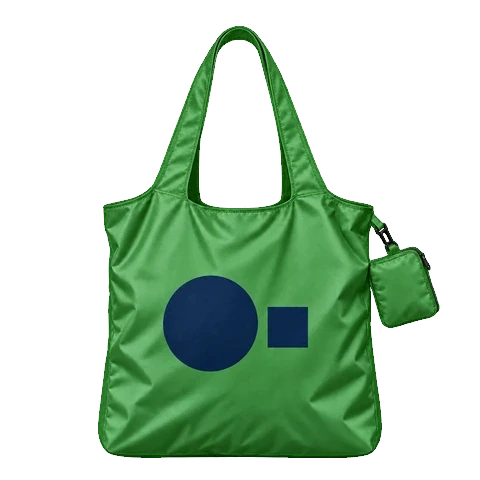
Polyester is a thin, durable synthetic fabric; it suits models that fold into their own pocket. RPET is polyester made from recycled PET and looks similar to polyester. Both can be produced in vivid colors.
- Strengths: Foldability, light weight, wide color range; the recycled-material angle with RPET.
- Watch out for: It does not offer the natural texture of cotton; for projects that want a natural look, natural cotton or jute is a better fit.
- Suitable printing: Screen printing and digital heat transfer; sublimation printing on white or light-colored backgrounds.
For options, see our polyester and RPET tote bag category.
Clear and specialty materials
Clear materials such as PVC and TPU are used at events where the contents need to be visible. Paper, felt, faux leather and wool-blend fabrics, on the other hand, meet niche needs such as boutique packaging, special gifts and laptop bags. Print options are more limited on these materials; screen printing is usually applied. Details are in our clear and specialty material tote bag category.
Quick comparison
Which material for which scenario?
- High-volume trade show giveaways: Non-woven or thin natural cotton.
- Corporate gifts and employee kits: Canvas or thick cotton.
- Grocery and retail shopping: Gusseted natural cotton, non-woven or RPET.
- Natural product and food brands: Jute or natural cotton.
- Sustainability message: RPET, recycled cotton and organic cotton.
- Spare bag to carry in a pocket: Foldable polyester.
Print compatibility summary
Cotton surfaces (natural cotton and canvas) have the widest print options: screen printing, digital heat transfer, DTG printing and embroidery can all be applied. Jute and non-woven are mostly printed with screen printing and digital heat transfer. On polyester and RPET, sublimation printing on light-colored backgrounds is also possible in addition to these two methods. The print methods that can be applied to each model are listed separately on its product page.
What does fabric weight tell you?
For cotton fabrics, fabric weight (gsm) is the weight of fabric per square meter (g/m²). As fabric weight rises, the fabric generally becomes fuller and stands more upright. Low-gsm bags are light and economical; high-gsm models give a feeling of longer-lasting use and suit applications such as embroidery better. For products with fabric weight information, the value appears on the product page.
Materials from a brand perception angle
Choosing a material is not only a technical decision; it also shapes the impression the recipient forms of your brand. The same logo sends a different message on a different fabric.
- Natural cotton: Reflects a friendly, plain and natural brand personality.
- Canvas: Builds a perception of durability, care and quality.
- Jute: Evokes naturalness, tradition and local production.
- Non-woven: Gives the impression of a practical, dynamic brand that reaches a broad audience.
- RPET: Highlights environmental awareness and the importance given to recycling.
When you choose a material that fits your brand identity, the bag stops being just a carrier and becomes a natural extension of your communication.
Questions to ask before deciding
- How many times will the bag be used: for the length of an event, or for years?
- How heavy and bulky will the items inside be?
- How many colors does your logo have, and which print method does it need?
- Does your target audience expect a natural texture or vivid colors?
- Is a sustainability message part of the campaign?
The answers to these questions usually narrow the options in the comparison down to one or two materials.
Mixed orders
You do not have to stick to a single material. Many companies order bags in two different materials for the same campaign: a light model for broad distribution and a fuller model for important customers. Prepared with the same logo and matching colors, these two bags balance the budget while keeping the brand consistent.
Conclusion
The right material sits where use case, budget and brand identity meet. If you are undecided, share your purpose and quantity with us and we will settle the material and print recommendation together. You can add the models you like from the product pages to the quote cart or write to us; we prepare a same-day quote.
Tote bags made for your brand
Choose the model, color and your logo; get a same-day quote.