




Logo Printing on Tote Bags: Screen, Transfer, DTG, Embroidery
Screen printing, digital heat transfer, DTG, embroidery and sublimation: a comparison to help you pick the right print method for your logo, fabric and order size.

The same bag can leave a completely different impression with a different print method. The number of colors in the logo, the fabric type and the order quantity are the three main factors that decide which method to choose. In this article we explain the five print methods we use on tote bags, along with their strengths and limits.
Screen printing: high volume, few colors
Screen printing is a method in which ink is transferred to the fabric through a fine mesh screen. A separate screen is prepared for each color, and colors are printed in sequence. So as the number of colors in a design rises, so does the preparation.
When to choose it
- If the logo is made up of one or a few flat (spot) colors.
- If the order quantity is high; as screen setup is spread over more bags, the unit cost drops.
- If you want a vivid, opaque, sharp-edged print.
Limits
It is not suitable for designs with photographs, soft color gradients or many colors. At low quantities, screen setup weighs proportionally more on the unit cost.
Screen printing can be applied across a very wide product range, including natural cotton, canvas, jute, non-woven, polyester and clear materials.
Digital heat transfer: many colors, low quantity
In digital heat transfer, the design is first printed onto a special transfer material, then applied to the fabric with heat and pressure. Because no screen is needed, the number of colors does not directly affect cost.
When to choose it
- If the design is multicolor, has color gradients or fine detail.
- If the order quantity is low or you want a different design on each bag.
- If it matters that corporate colors appear in their exact tones.
Limits
Because the transfer material forms a thin layer on the surface, the print area has a different feel from the fabric. On very large print areas, it may not be as economical as screen printing.
DTG printing: photo quality on cotton
DTG (direct-to-garment) printing prints ink directly onto the fabric with a special printer. The ink penetrates the cotton fibers, which is why the method was developed for cotton fabrics.
When to choose it
- If you have chosen a cotton bag such as natural cotton or canvas.
- If the design contains photographs, illustrations or many colors.
- If you want a soft-feeling print that becomes one with the fabric.
Limits
It is not applied to non-cotton surfaces such as polyester, non-woven and jute. For high-volume, few-color jobs, screen printing is usually more efficient.
Embroidery: premium and lasting look
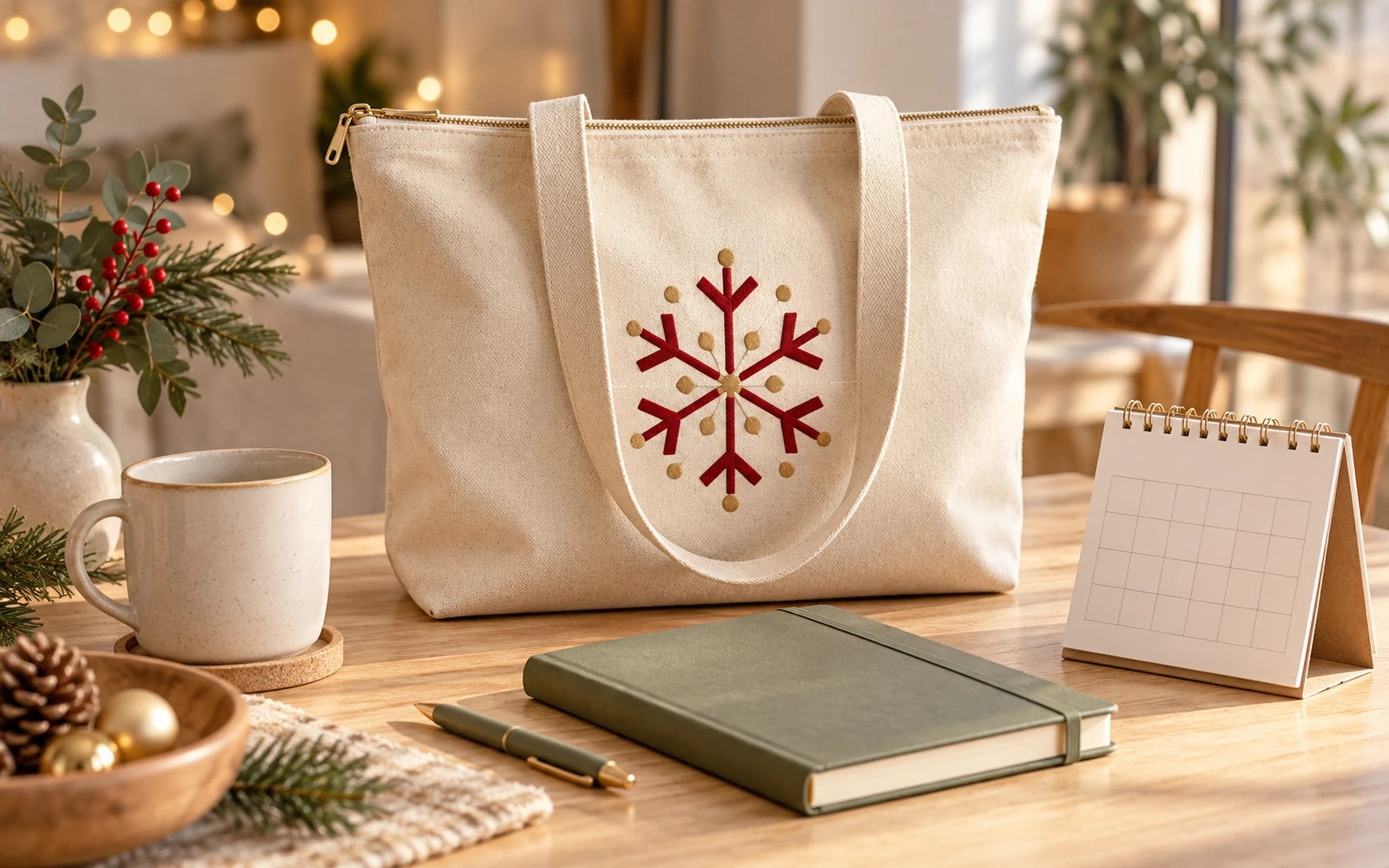
In embroidery, the logo is stitched with thread directly onto the fabric. With its raised, textured structure, it is the method that gives the most prestigious look. It is often chosen for corporate gifts, executive kits and brand stores.
When to choose it
- If the bag is made from a full-bodied fabric such as canvas or thick cotton.
- If the logo is plain, bold-lined and limited in colors.
- If you want to raise the perceived value of the gift.
Limits
On thin fabrics, embroidery can pucker the fabric; only small logos are recommended on such bags. Very fine lettering and color gradients cannot be stitched with the same sharpness. Embroidery also requires more labor than the other methods.
Sublimation printing: vivid color on light polyester
In sublimation, a special ink turns into gas with heat and penetrates the polyester fibers. The result is a vivid print that becomes one with the fabric and does not change the hand feel.
When to choose it
- If the bag is made from white or light-colored polyester or RPET.
- If you want a full-surface, patterned or photographic design.
Limits
It works only on white or light-colored polyester. It is not applied to cotton, jute or non-woven. On dark polyester models, screen printing or digital heat transfer is recommended.
Decision table: which method suits you?
- How many colors does your logo have? If one or a few flat colors, screen printing; if multicolor or with gradients, digital heat transfer, DTG or sublimation.
- What fabric is the bag? If cotton, DTG and embroidery also come into play; if light-colored polyester, sublimation is possible; for jute and non-woven, screen printing and digital heat transfer.
- How many will you order? Screen printing is usually more advantageous at high quantities, digital methods at low quantities.
- What impression do you want? Embroidery for a premium, lasting feel; digital methods for a vivid, photographic look.
Print area and placement
Every bag model has a print area. This area is set by factors such as bag size, seam locations, pockets and gusset structure. Printing your logo on one side, both sides or the side gusset may be possible; these options vary by product. Keeping the limits of the print area in mind while preparing your design helps you end up with a logo in the right proportions. For file preparation, see our print file guide.
Same logo, different methods: an example
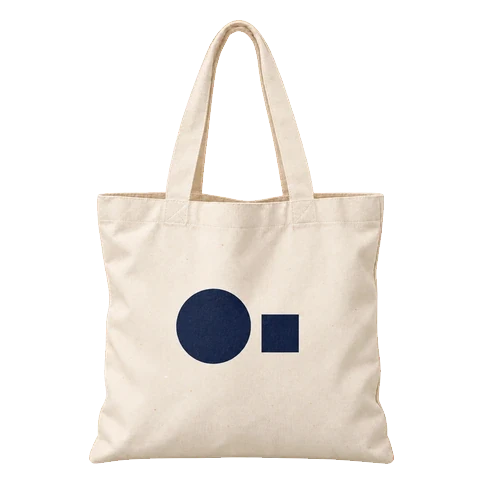
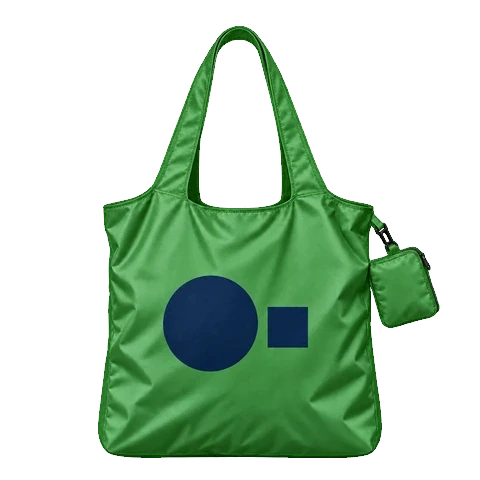
Consider a two-color corporate logo. On a high-volume trade show order, it can be printed economically and vividly on a non-woven bag with screen printing. The same logo, embroidered on a thick canvas bag prepared as an executive gift, gains a much more prestigious look. If a gradient version of the logo will be used, DTG printing or digital heat transfer is preferred on a cotton bag. On a white polyester bag, a full-surface patterned design can be applied with sublimation printing.
This example shows that the print method should be chosen not on its own but together with the bag, quantity and target audience. Sharing this information together in your quote request makes it easier for us to recommend the combination that suits you best.
Print durability and use
Each method bonds with the fabric differently. In screen printing, the ink forms an opaque layer on the fabric surface. In DTG and sublimation, the ink becomes one with the fibers and the hand feel barely changes. In digital heat transfer, the print sits on the fabric as a thin film layer. In embroidery, the logo is stitched with thread, so it has a raised, textured structure.
How the bag will be used determines how much these differences matter. On a thin bag that is folded often, a flexible print may be more suitable; on a thick bag that will be used for a long time, a finish that stands out with its texture may be.
Combining multiple methods
In some projects, it is possible to use two different methods on a single bag. For example, a small embroidered logo on the front and a campaign message screen printed on the back. Whether such combinations can be applied varies by product and print area; we can evaluate them together at the quote stage.
Frequently asked questions on choosing a method
My logo has many colors; can't I use screen printing?
You can, but since each color requires a separate screen, preparation increases. For multicolor designs at low and medium quantities, digital heat transfer is usually more efficient; if you have a simplified version of your logo, screen printing becomes advantageous again.
Which method is used to print on a dark bag?
On dark bodies, screen printing and digital heat transfer are the most commonly used methods. Sublimation printing is not applied on dark backgrounds; it works only on white or light-colored polyester.
Conclusion
There is no single right print method; there is the method that suits your design, your fabric and your quantity. Details of all methods are on our printing methods page. You can try your logo on our design page or send it to us directly; we will recommend the method that suits you best and prepare a same-day quote. For an example cotton model, take a look at the 34x34 cm canvas tote bag suited to two-sided printing.
Tote bags made for your brand
Choose the model, color and your logo; get a same-day quote.